
As our nation approaches its 250th anniversary, communities across America are reflecting on the people, places, and events that shaped the United States. Yet America250 offers us something more than an opportunity to commemorate the past; it invites us to ask deeper questions about identity, belonging, and the unfinished story of democracy.
Here in Paterson, those questions are embedded in the landscape itself.
Long before the founding of the United States, the Great Falls stood as a place of significance for the Lenape people. For generations, the waters that thunder over the basalt cliffs provided sustenance, transportation, and a connection to the land that stretched across what we now call New Jersey. Their history reminds us that the American story did not begin in 1776. It began long before the nation’s founding and continues through the descendants and communities who remain connected to this place today.
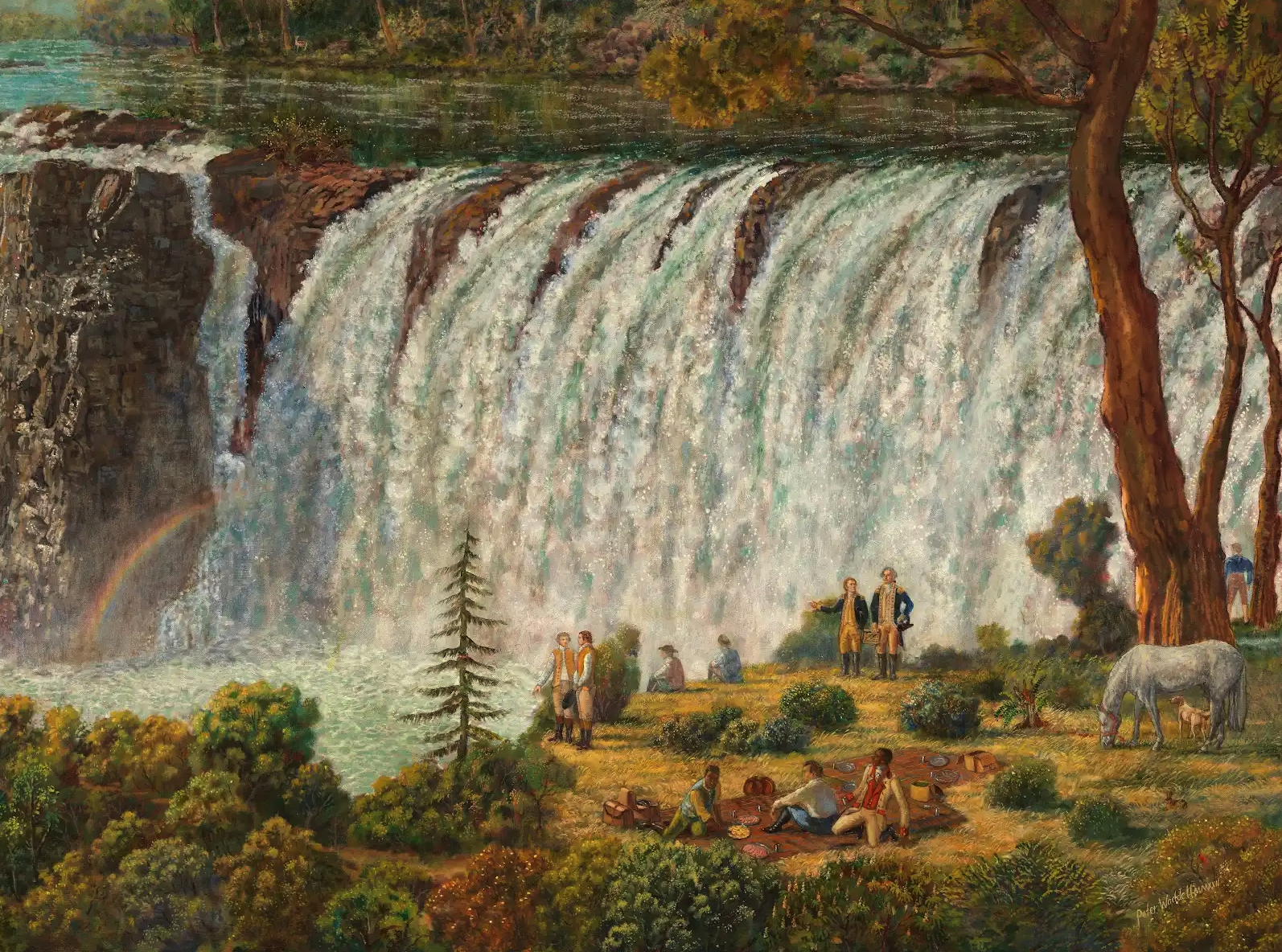
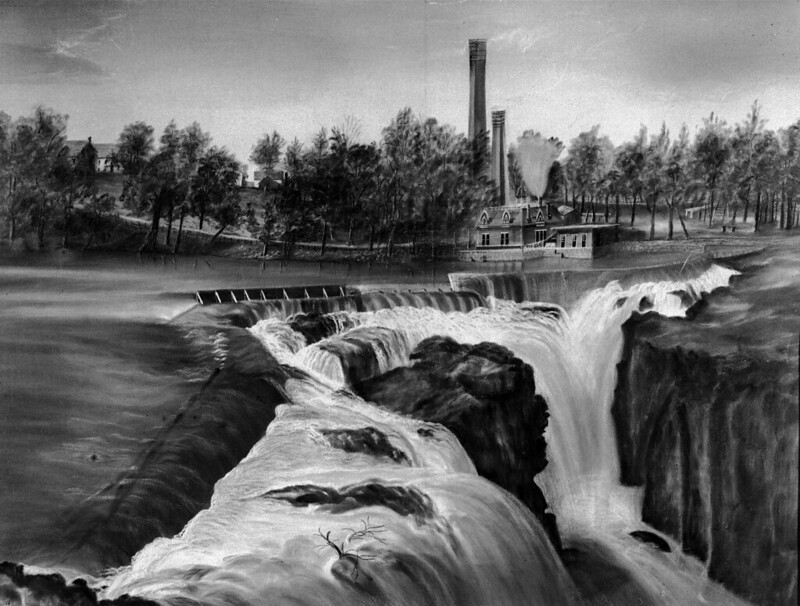
When Alexander Hamilton visited the Great Falls in 1778, he saw something different. He saw potential. Years later, as the nation’s first Secretary of the Treasury, Hamilton helped establish the Society for Establishing Useful Manufactures (SUM), envisioning Paterson as America’s first planned industrial city. His vision transformed the power of the Great Falls into a force that would help shape the economic future of a young nation.
Yet the story of Paterson was never Hamilton’s alone.
The mills, factories, and workshops that emerged along the raceways were built and sustained by generations of workers; many of them immigrants seeking opportunity in a new country. Irish laborers, Italian stoneworkers, Jewish merchants, Syrian and Lebanese entrepreneurs, African American families arriving during the Great Migration, and later generations from Puerto Rico, the Dominican Republic, Peru, Bangladesh, Turkey, and countless other communities all left their mark on this city.
Paterson became a place where people from around the world arrived carrying languages, traditions, faiths, and dreams. Together they built not only an industrial powerhouse but a cultural mosaic that continues to define the city today.
Among the most recognizable chapters in that story is Paterson’s rise as Silk City. During the late nineteenth and early twentieth centuries, thousands of workers powered an industry that made Paterson the silk manufacturing capital of the United States. Their labor helped fuel economic growth and innovation, but it also exposed the inequalities and struggles that accompanied industrialization.
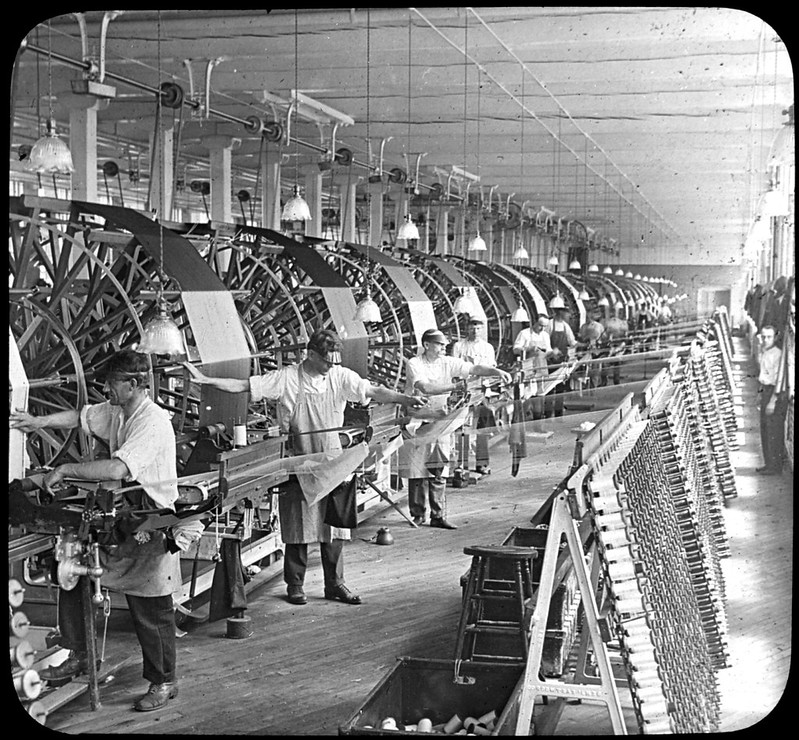
The famous Paterson Silk Strike of 1913 serves as a reminder that democracy is not confined to ballot boxes or government buildings. It is also expressed through collective action, advocacy, and the pursuit of dignity. The workers who marched through Paterson’s streets were participating in a broader American conversation about fairness, opportunity, and the rights of working people; questions that remain relevant today.
As a first-generation American whose parents immigrated from Uruguay, I often reflect on how these stories connect to my own experience. Like many families before mine, my parents came seeking opportunity and a chance to build a better future. Their journey is different from those who arrived in Paterson generations ago, yet it is also deeply connected to the same American narrative of hope, resilience, and possibility.
That connection is what makes Paterson such a powerful place to explore America’s past and future.
The Paterson Great Falls National Historical Park preserves more than buildings, machinery, and landscapes. It preserves stories; stories of Indigenous stewardship, revolutionary vision, industrial innovation, immigration, labor activism, entrepreneurship, and community resilience. Together, these stories challenge us to see America not as a finished project but as an ongoing effort shaped by each generation.
As we commemorate 250 years of our nation, we should celebrate our achievements while also embracing the complexity of our history. We can honor visionary leaders like Hamilton while recognizing the contributions of the workers, families, and communities whose names may never appear in textbooks. We can acknowledge difficult chapters while finding inspiration in the resilience of those who came before us.
Most importantly, we can recognize that the story of America is still being written.
Every student who visits the Paterson Great Falls. Every artist who tells a community story. Every volunteer who gives their time. Every resident who believes in the future of Paterson. Every person who chooses to engage in civic life becomes part of that ongoing narrative.
America250 is not only a celebration of where we have been.
It is an invitation to consider where we are going; and how each of us can help shape the next chapter.